David Melon Fuksman

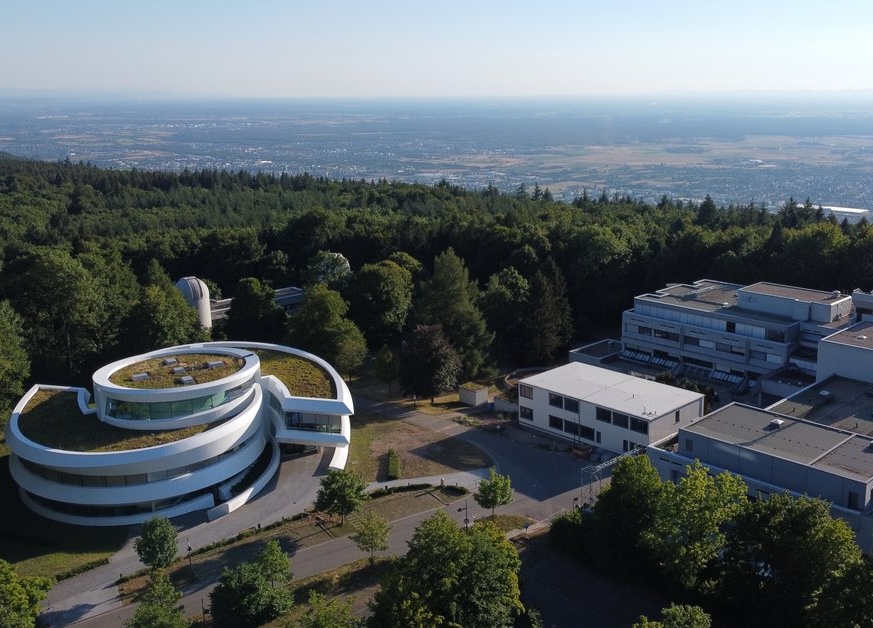
I am a postdoctoral researcher at the Max Planck Institute for Astronomy (MPIA) in Heidelberg, Germany, working on simulations of protoplanetary disks and numerical methods for astrophysics.

On the science side, I study radiative processes in these disks, the development of instabilities, their impact on disk structures and turbulence, and the resulting observational signatures. I am also involved in projects regarding planet–disk interaction and the signatures of forming protoplanets.

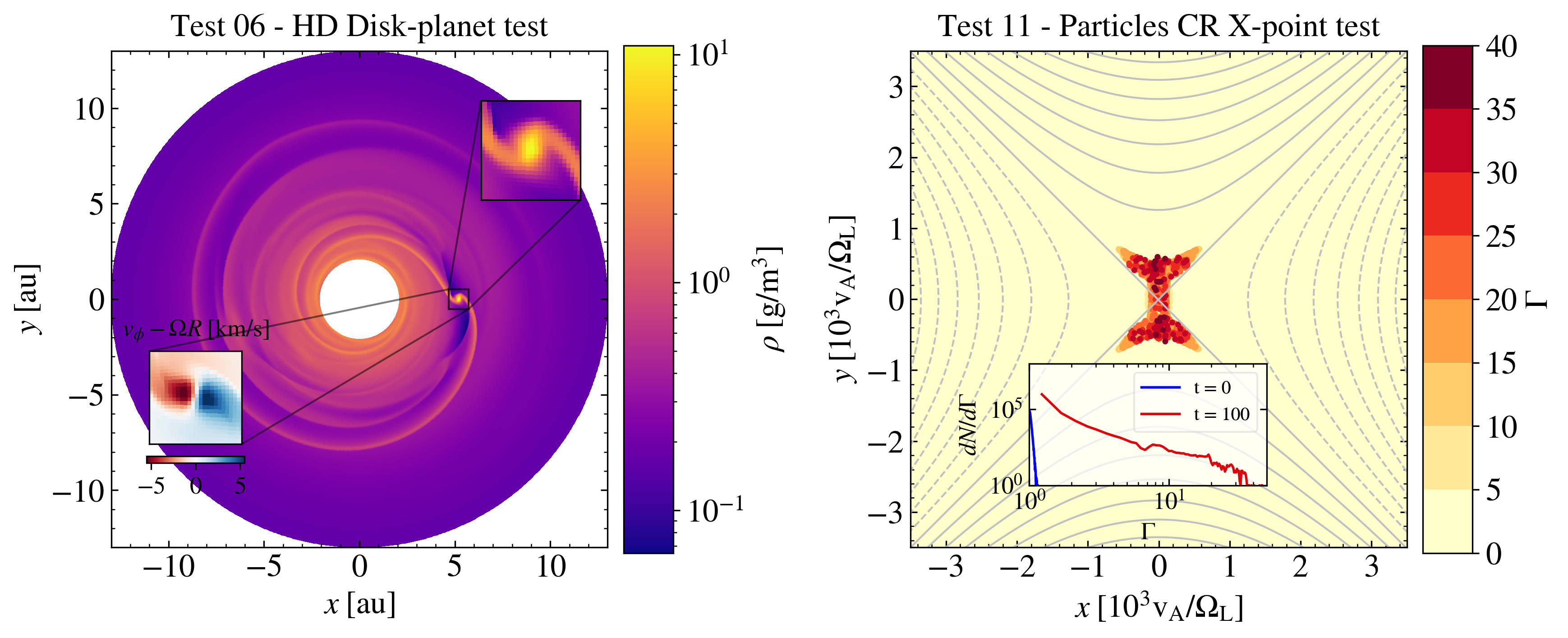
On the numerical side, I actively contribute to the development of the open-source PLUTO code, where I implemented the available radiative transfer modules and new multigroup half-moment methods. I am currently developing the Adaptive Mesh Refinement (AMR) extension of the new GPU-parallel version of the code, gPLUTO.

Research highlights

Science

Vertical shear instability in irradiated disks

Hydrodynamical instabilities

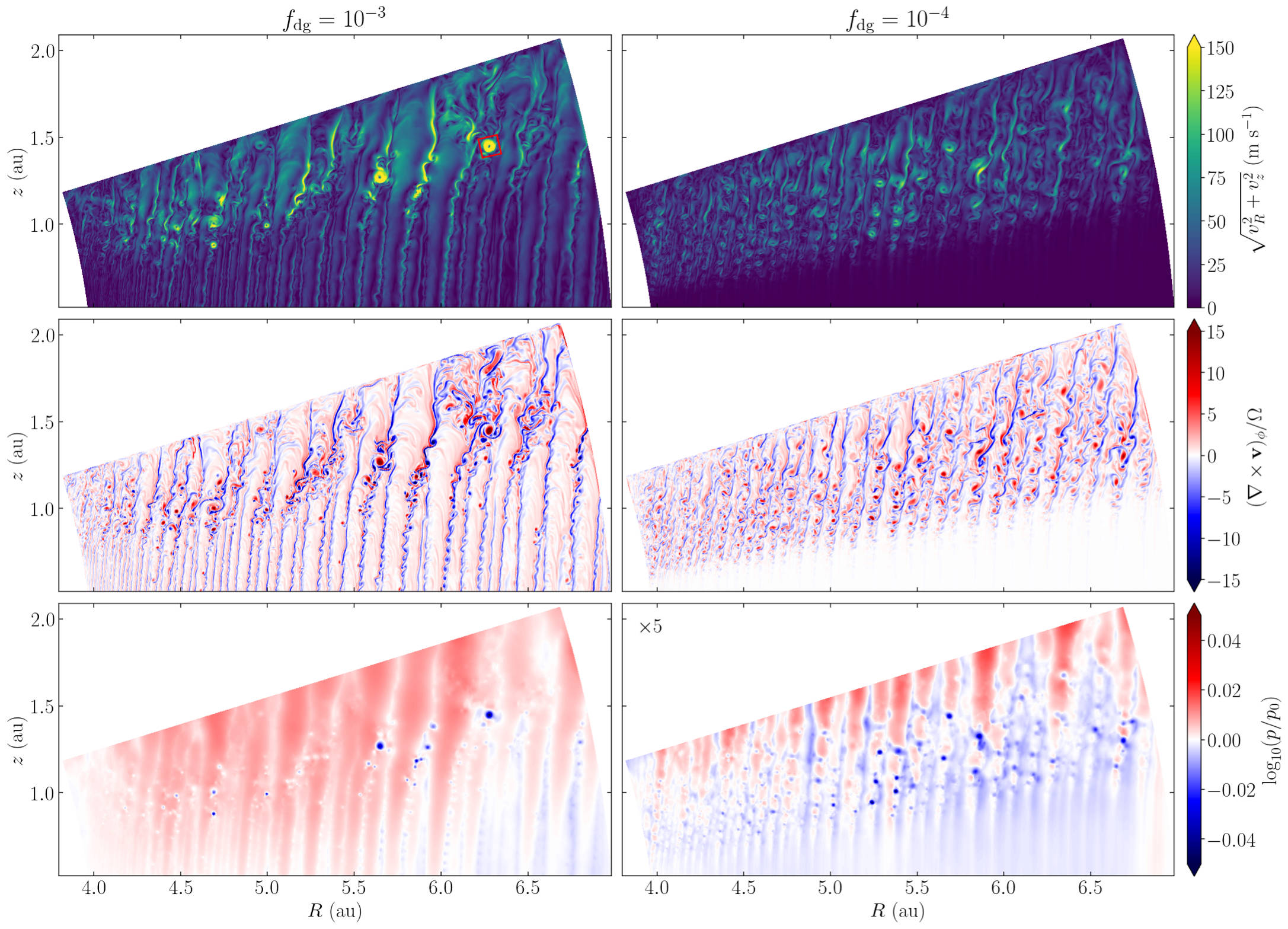
In weakly ionized regions of protoplanetary disks, hydrodynamic instabilities are likely to play a key role in the development of turbulence, the formation of structures, and the transport of angular momentum. In a series of articles, we studied the development of the Vertical Shear Instability (VSI) in axisymmetric radiation-hydrodynamical and local-cooling simulations. We characterized the angular momentum redistribution, the emergence of secondary instabilities, and their role in VSI saturation. We also studied how dust and molecular cooling shape the regions where the VSI can operate, comparing these results with current observations of protoplanetary disks.
Instabilities produced by shadows

Instabilities produced by shadows

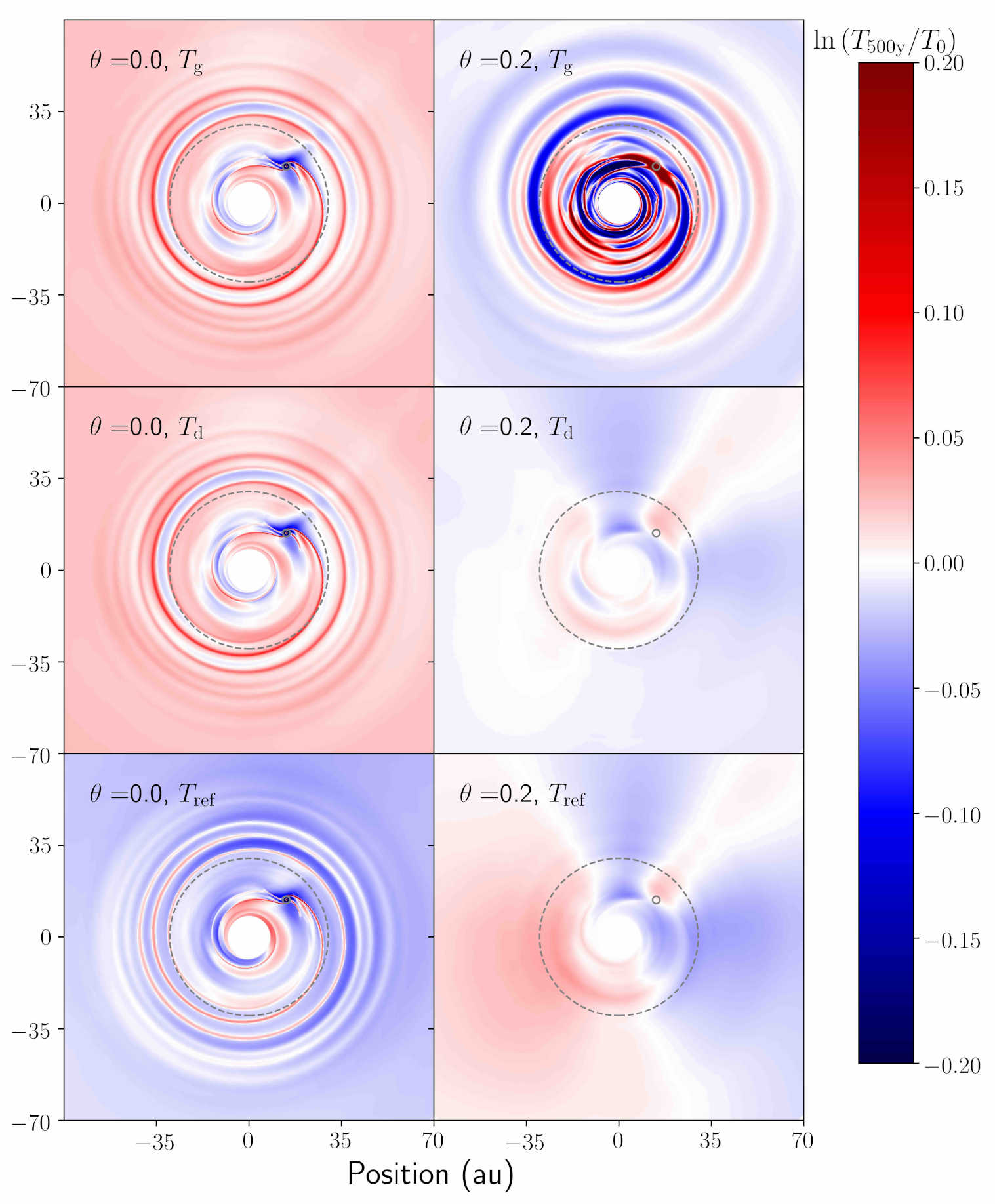
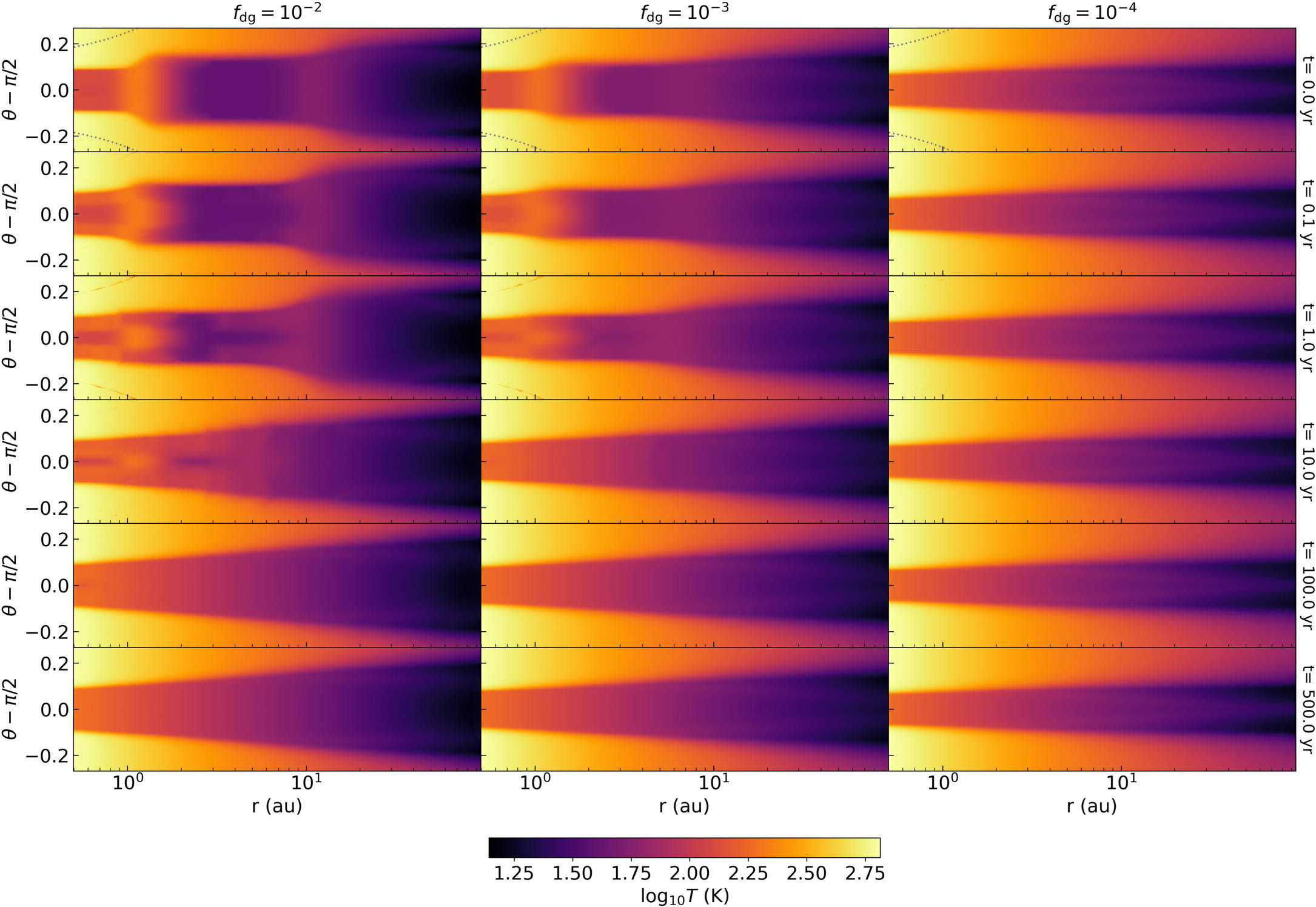
By means of radiation-hydrodynamical simulations, we found that protoplanetary disks are likely stable against the spontaneous formation of axisymmetric temperature perturbations induced by the disk shadowing and resulting asymmetric heating. This contradicted previous studies favoring this instability mechanism, all of which relied on hydrostatic assumptions. In a subsequent paper, we investigated the formation and observational signatures of spirals due to gap-edge illumination. In a recent work, we explored whether long-standing scale height perturbations can produce an alternating pattern of temperature bumps and shadows behind them.

A summary of our work on the non-development of the self-shadowing instability in protoplanetary disks.

Signatures of embedded protoplanets

Signatures of embedded protoplanets

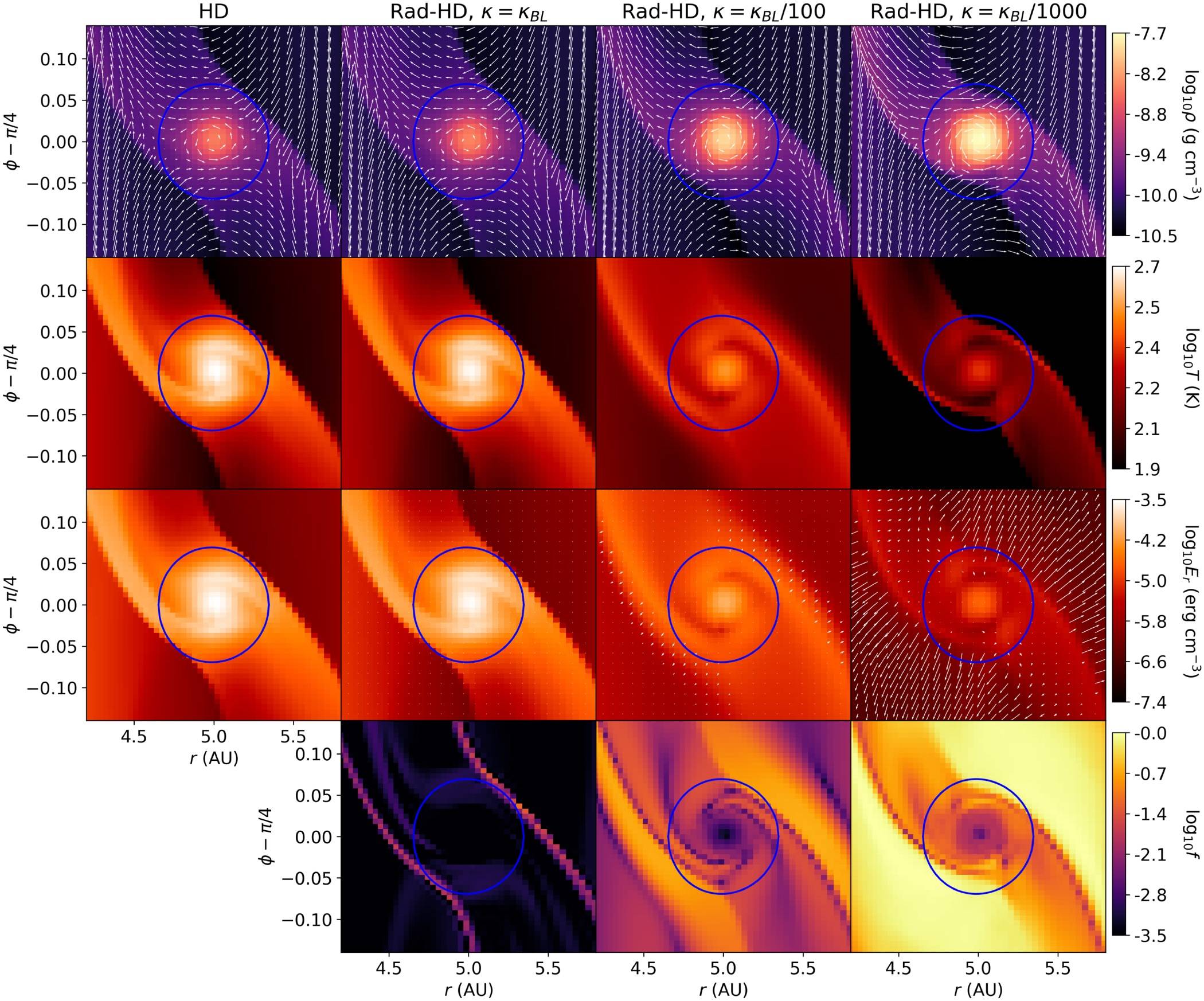
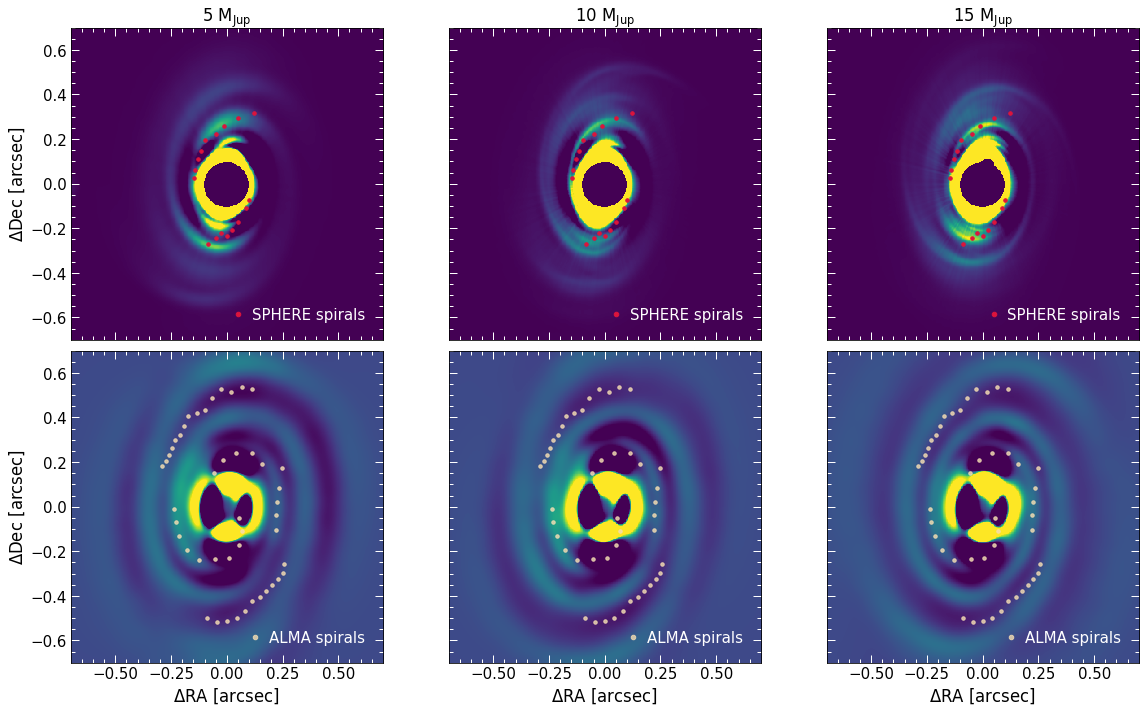
A series of works exploring (I) whether a planet could explain the spirals in ALMA & SPHERE observations of the protoplanetary disk around WaOph 6, (II,III) thermal and kinematic signatures of accreting protoplanets via 3D three-temperature simulations, and (IV) differences in temperature distributions and synthetic observations of embedded protoplanets produced with Monte Carlo and flux-limited diffusion radiative transfer.

Protoplanetary accretion

Accretion onto protoplanets

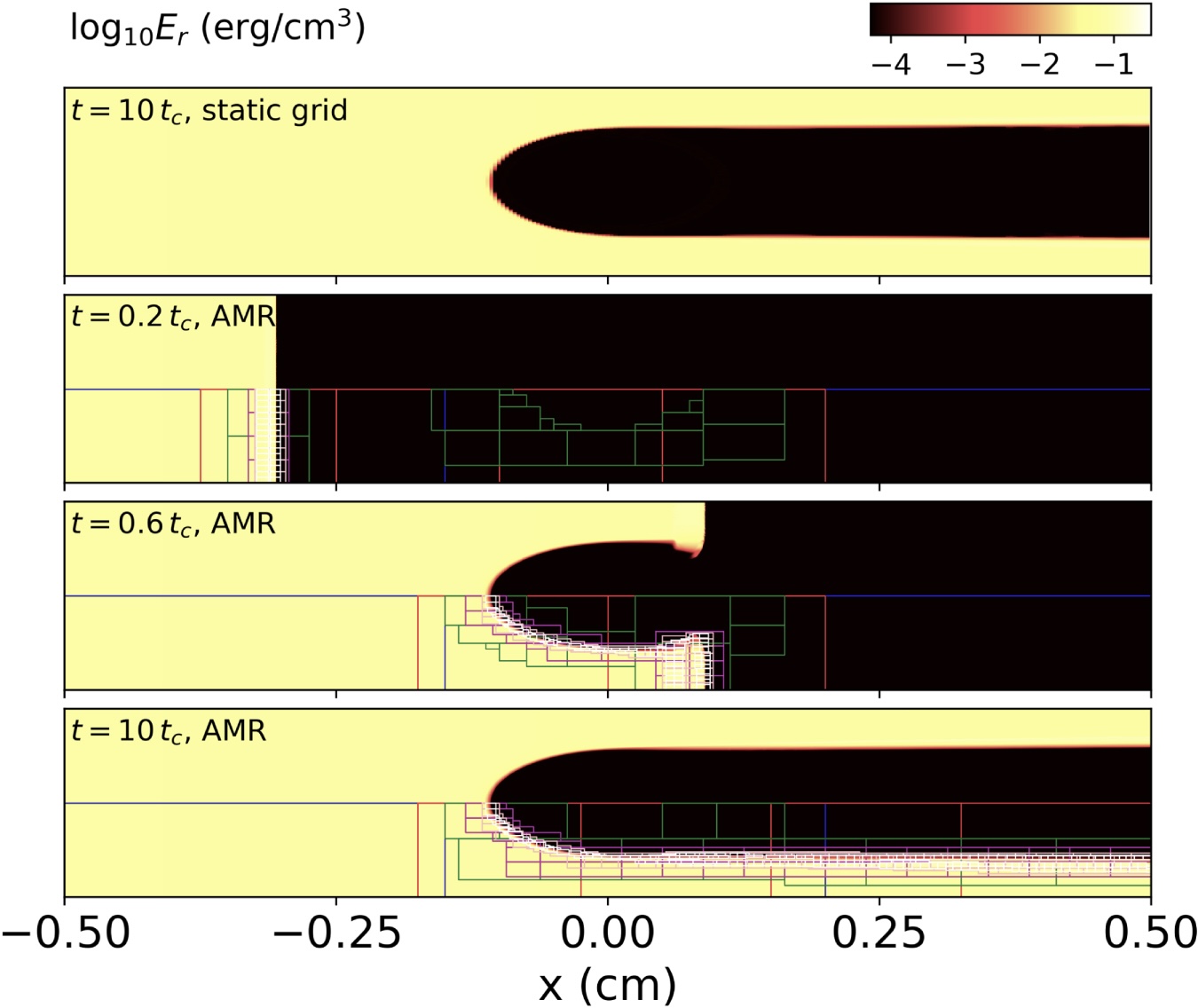
An ongoing project involves characterizing the flows and magnetic fields in MHD simulations of the material surrounding accreting protoplanets, as part of the RAPTOR ERC project (PI: Mario Flock). We aim to cover a vast range of scales from the protoplanetary disk down to the planetary core through AMR simulations.


Numerical methods

A circumplanetary disk simulation made with the developing
AMR extension of gPLUTO, here in static refinement mode.

M1 radiation hydrodynamics in PLUTO

M1 radiation MHD in PLUTO

I developed the M1 radiative transfer modules for relativistic and nonrelativistic MHD included in the latest version of PLUTO (4.4-patch3). The gPLUTO versions are underway, and I can prioritize them if needed for a specific project (feel free to contact me!).

Half‑moment method

Half‑moment radiative transfer

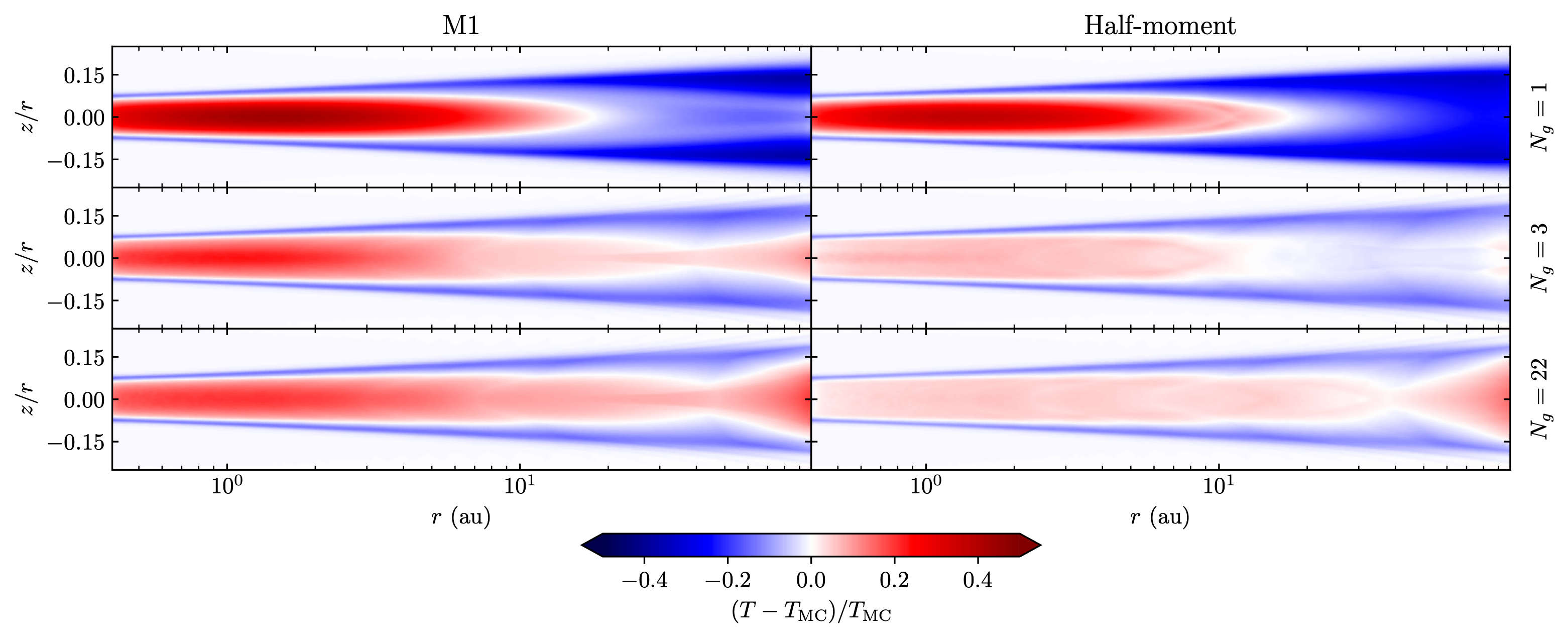
It's neither M1 nor FLD: by integrating the radiative intensity over hemispheres, we define separate “+" and “-" radiation fields, which removes artificial beam interactions along a chosen spatial direction (see image above). In combination with a multigroup treatment, this results in much better agreement with Monte Carlo RT disk temperatures than full-moment methods
(click image for details).

Three‑temperature methods

Three‑temperature radiation hydrodynamics

In a project led by former MPIA PhD student Dhruv Muley, we extended the M1 module to include separate dust and gas temperatures. These temperatures can differ in low-density regions, where dust-gas collisions are infrequent (see applications).

Visualization and post‑processing

Visualization tools

I collaborated on the development of the PyPLUTO python library (main developer: Giancarlo Mattia) for fast and simple analysis and visualization of simulation datasets.

Selected publications

For a complete list, see ADS or Google Scholar.

Bio

Contact